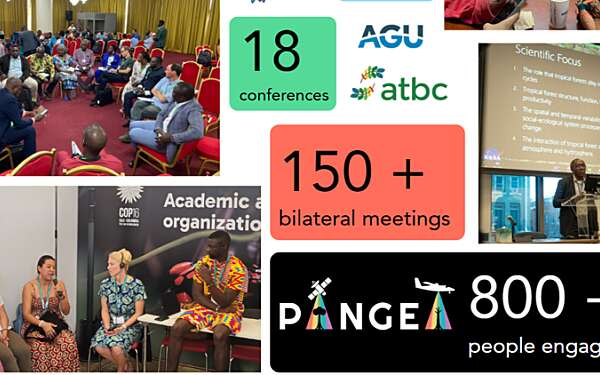
With the support of our partners, we can help support comprehensive training programs focused on some of sub-Saharan Africa's most critical issues, such as climate change, biodiversity conservation, food security, and human health.
This project is mapping and quantifying LCLUC and associated carbon emissions and exploring the ecosystem service benefits of different restoration scenarios across an understudied and ecologically important region of the Congo Basin.
Using portable EM27/SUN spectrometers, CH₄ ALERT will generate high-quality methane (CH₄), carbon dioxide (CO₂) , and carbon monoxide (CO) measurements to support greenhouse gas monitoring, satellite validation, and climate mitigation efforts.
The Congo Basin rainforests constitute one of the last real tropical carbon sinks. They are key biodiversity areas which support livelihoods, health and maintain the cultural identity of indigenous people and local communities (IPLCs).
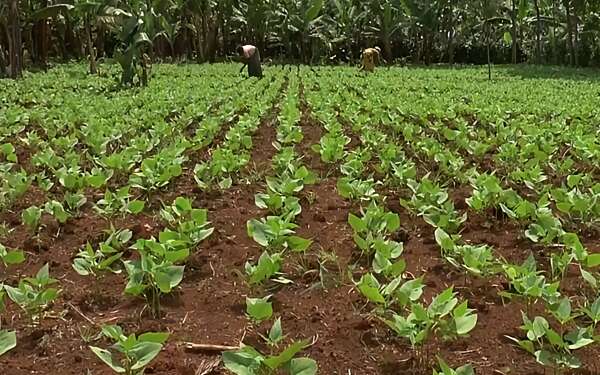
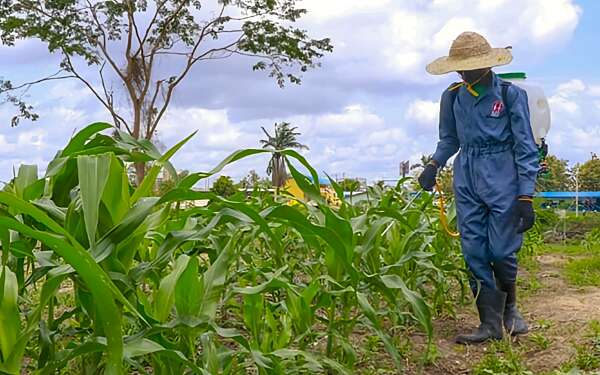
IITA, in partnership with two other CGIAR centers, the International Center for Tropical Agriculture (CIAT) and Bioversity International, had been implementing the Consortium for Improving Agriculture-based Livelihoods in Central Africa (CIALCA). CIALCA aimed to reduce poverty among smallholder farmers through increased farm productivity, household income, and improved nutrition.
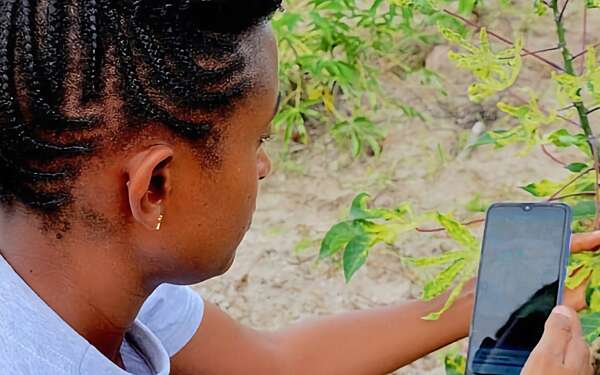
Despite the growing concern about the lack of interest in agriculture among African youths, engaging them in agriculture has become a prominent topic. According to Larissa Nawo, a young researcher with the IITA–CARE project, agriculture—the developing world’s single most significant source of employment—plays a pivotal role in Africa’s economic development, and Cameroon, in particular.